

bullet proof windows for house
How to Turn Off a Water Valve A Step-by-Step Guide Turning off a water valve is a crucial skill for homeowners and renters alike. Whether you are addressing a plumbing issue, conducting repairs, or preparing for a winter season, knowing how to properly shut off your water supply can save you from costly damages and ensure a safe living environment. In this guide, we will walk you through the steps to turn off your water valve effectively. Step 1 Locate the Water Valve The first step in turning off your water supply is to locate the main water valve. This valve is typically found near where the water line enters your home. Common locations include - Basement or Crawl Space If your home has a basement, the main water valve is often located there. - Outside In some houses, the water valve can be found on an exterior wall or in an underground valve box close to the street. - Near the Water Heater Sometimes, the main valve is situated near the hot water heater. Tip If you have trouble locating the valve, follow the main water line from the municipal connection into your home. Step 2 Identify the Type of Valve Water valves come in different types, and it's essential to know which type you are dealing with to proceed correctly. The most common types include - Gate Valve This type features a round handle that you turn clockwise to close the valve. - Ball Valve Look for a lever or handle. For a ball valve, you typically turn the lever 90 degrees to shut it off. - Compression Valve This valve has a round handle that you will turn clockwise to shut off the water. Step 3 Turn Off the Valve Now that you have located your valve and identified its type, it’s time to turn it off . - For Gate Valves Turn the handle clockwise until it can’t turn anymore. This may take several rotations. - For Ball Valves Turn the lever perpendicular to the pipe to shut off the valve. - For Compression Valves Turn the handle clockwise until firmly closed. how to turn off water valve Step 4 Test the Valve After turning off the valve, it is wise to check and ensure that the water supply has been effectively cut off. To do this 1. Turn on a faucet in your home, ideally one on the same level as the valve, and observe if water is still running. 2. If there is no water flow, congratulations! You have successfully turned off the water supply. Step 5 Drain the Pipes (if necessary) If you are planning a significant plumbing project or leaving your home for an extended period, it may be beneficial to drain the pipes. Here’s how to do it 1. Open the faucets in your home to allow any remaining water to escape. 2. Flush the toilets to empty the tanks. 3. You may also want to drain the water heater to prevent any issues during your absence. Step 6 Turn the Water Back On Once your repairs or maintenance tasks are complete, you will need to turn the water back on. To do this, follow the same steps in reverse 1. Locate the water valve. 2. Identify the type of valve. 3. Turn the valve counterclockwise for gate and compression valves, or switch the lever back to parallel for ball valves. 4. Turn on a faucet to let air out of the pipes and check for leaks. Conclusion Knowing how to turn off the water valve is an essential skill that can help you manage plumbing issues effectively. Whether you are handling a minor leak or shutting off the water for repairs, following these steps ensures you do it safely and efficiently. Always remember to locate the valve in advance, familiarize yourself with its type, and take the necessary precautions to protect your home from water damage. Taking these steps can empower you to handle plumbing concerns with confidence.
about
bullet proof windows for house
Understanding Thread Gauge Rings Essential Tools for Precision Measurement In the realm of manufacturing and engineering, precision is paramount. One of the critical tools that facilitates this precision is the thread gauge ring. This seemingly small instrument plays a vital role in ensuring that threaded components fit together seamlessly, which is essential for the integrity and performance of mechanical assemblies. In this article, we will delve into the significance of thread gauge rings, their types, applications, and the importance of maintaining measurement accuracy. What is a Thread Gauge Ring? A thread gauge ring is a measuring tool used to assess the dimensions and characteristics of internal and external threaded parts. It usually features a series of notches or grooves that correspond to different thread sizes and profiles. By inserting a bolt or screw into the appropriate notch, an engineer or machinist can quickly determine whether a threaded part meets the required specifications. This facilitates quality control in manufacturing processes, ensuring that components are compatible and will function correctly once assembled. Types of Thread Gauge Rings Thread gauge rings can be categorized based on various parameters such as the type of thread they measure, their design, and their material. The most common types include 1. Go/No-Go Thread Gauges This type includes two gauges, one for the acceptable range (Go) and another for the maximum limit (No-Go). Together, they help determine whether a threaded part is within tolerance levels. 2. Thread Pitch Gauges These are primarily used to measure the pitch of a thread, which is the distance between the peaks of adjacent threads. This is crucial for ensuring compatibility in threaded components. 3. Ring Gauges This type is used for measuring the external dimensions of threaded parts. They come in various sizes and are typically made from durable materials capable of withstanding wear and tear. 4. Taper Gauges Designed for measuring tapered threads, these gauges help ensure proper engagement in applications such as plumbing and hydraulic fittings . thread gauge ring Applications of Thread Gauge Rings Thread gauge rings are ubiquitous in various industries, including automotive, aerospace, and construction. Their applications range from quality assurance in manufacturing processes to maintenance of machinery and equipment. Here are some specific scenarios where thread gauge rings prove invaluable - Quality Control In manufacturing, thread gauge rings are often used during the final inspection phase. They help verify that components meet the necessary standards before being shipped out, reducing the risk of faulty parts entering the market. - Maintenance and Repair When machinery requires maintenance or parts need replacing, technicians use thread gauge rings to assess whether the existing bolts and screws can be reused. This can save time and resources in repairs. - Custom Fabrication In specialized manufacturing environments, where custom-threaded parts are created, thread gauge rings allow for precise measurement during production, ensuring that parts will function correctly upon assembly. The Importance of Accuracy in Measurement The accuracy of measurements when using thread gauge rings cannot be overstated. A slight deviation can lead to malfunctions, resulting in costly recalls, repairs, and downtime. Therefore, it is crucial for users to regularly calibrate their gauges and replace them when signs of wear appear. Additionally, understanding the standards related to thread specifications, such as ISO, ANSI, and ASME standards, is essential for anyone involved in production and quality assurance. Conclusion In conclusion, thread gauge rings are fundamental tools in the pursuit of precision in threaded assemblies. They not only ensure compatibility among components but also uphold the standards of quality control across various industries. By understanding their types, applications, and the necessity for accuracy in measurements, engineers and machinists can enhance their operational efficiencies and contribute to the production of reliable, safe products. As technology continues to advance, the design and functionality of thread gauge rings will likely evolve, further cementing their importance in manufacturing and engineering.
-

High quality industrial productsagement

High quality industrial products
View Details -

Meet the diverse needs of customers

Meet the diverse needs of customers
View Details -

Strict quality control

Strict quality control
View Details -

Top raw materials

Top raw materials
View Details -

Trusted supplier

Trusted supplier
View Details
Our application

news and information
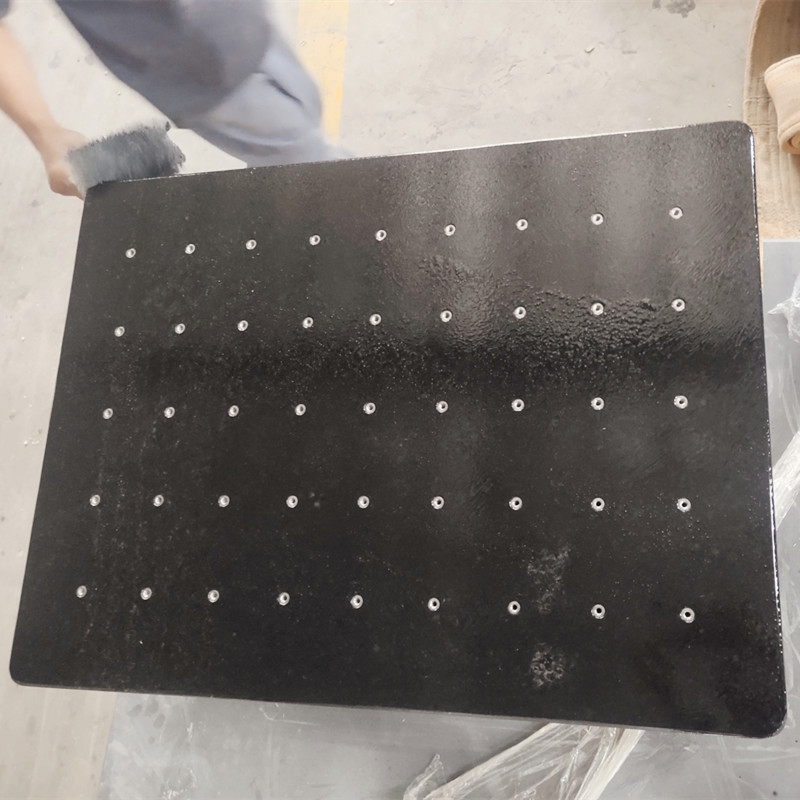
Versatile Workbench for Efficient Welding and Metalworking Projects
The Importance of Welding Tables in Metalworking Welding is a critical process in various industries
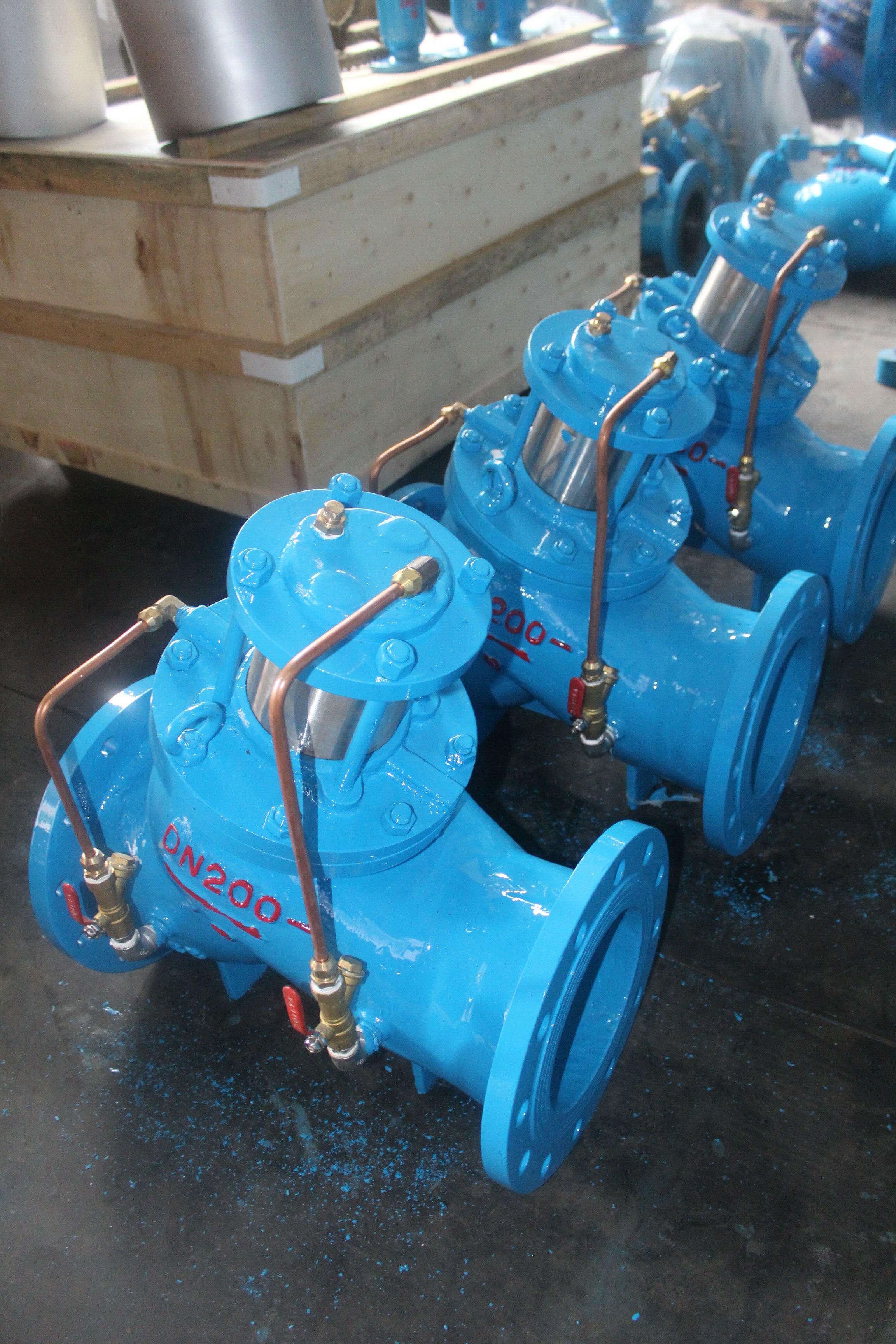
v block v block
Understanding V Block A Fundamental Tool in Manufacturing and Engineering In the world of manufactur
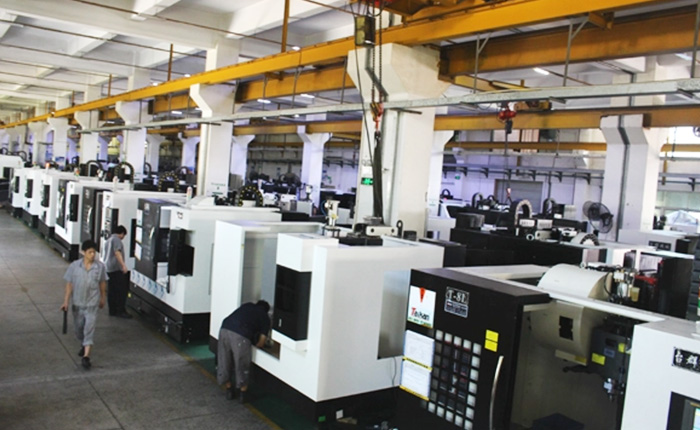
Using Thread Ring Gauges for Accurate Thread Inspection and Measurement Techniques
The Importance of Thread Ring Gauges in Quality Control In the world of manufacturing and engineerin
 English